Harvest Price Increase 2026: How to Check Your Renewal and Decide Whether to Switch
Harvest now bills seats plus usage. Here is how to price your renewal, push back, and know when moving is cheaper.

The Harvest price increase 2026 is not a flat rate hike. Harvest now bills a per-seat fee plus usage charges for invoices, projects, clients and tasks, so your renewal can land far above last year's bill. Get a written quote for each billing option before you renew, then compare it with two alternatives.
Little iApps covers what business software really costs, and this guide is for owners and office managers whose time-tracking and invoicing tool is about to renew. It explains what changed, how to price your own account, and when moving to another tool is the cheaper choice.
What changed in Harvest pricing in 2026

Bending Spoons, the Italian software company, agreed to buy Harvest in 2025. The deal closed and the new pricing structure reached customers during 2026, according to Silicon UK's August 31, 2026 report.
The old model was a flat monthly fee per user. The new one has two options. Flex charges a per-seat fee plus a bill that rises with activity, such as projects, clients, tasks and invoices. Unlimited charges a per-seat fee plus a fixed usage fee that Harvest does not publish in a standard form.
According to Subscription Insider, list prices start at $9 per seat per month on Teams billed annually and $14 on Enterprise. Those numbers look modest. The usage layer is where bills jump.
The reported cases are large. A UK consultancy said its monthly fee went from about $130 to $2,110. A U.S. customer cited by the BBC said an annual bill went from $2,800 to $23,000. These are customer reports, and Harvest has not said every account rises by the same percentage.
How do you find out what your Harvest renewal will cost?
Open your account's billing page, find the renewal date, and ask Harvest support for a written quote under both Flex and Unlimited. Give them your real counts of seats, active projects, clients, tasks and monthly invoices so the quote reflects how your team actually works.
Start with a simple inventory. Pull the last 12 months of invoices and count them. List every active project and client. Note how many of those are old and could be archived.
Then put the answers in a table like the one below. The figures are placeholders, so replace them with your own quotes.
| Item | Last year | Flex quote | Unlimited quote |
|---|---|---|---|
| Seats | Your count | Your count | Your count |
| Active projects and clients | Your count | Usage charge | Included |
| Invoices per month | Your count | Usage charge | Included |
| Annual total | Last invoice | Quote | Quote |
If the quote arrives as a single number with no breakdown, ask for the per-unit usage rates in writing. A vendor that will not show the rate is a vendor you cannot budget for.
Which billing option fits a small team?

Flex tends to suit a team with steady, low activity. A solo consultant with a dozen clients and a few invoices a month stays near the seat price. Unlimited suits a team that sends many invoices and runs many projects, because the usage fee is fixed and the bill stops growing with activity.
The risk sits in the middle. A growing agency can start on Flex, add clients through the year, and pay more every month without changing anything in the contract. Little iApps's editors recommend modeling the busiest month of the year, not the average one.
Two questions settle most cases. First, would your invoice and project counts double if business doubled? Second, does the quote cap usage, or can it rise during the term? A cap makes the number predictable, and no cap makes the number a guess.
Usage billing is not unique to Harvest. Automation tools charge the same way, and our Zapier vs. Make pricing comparison shows how task counts drive a monthly bill there. The habit is the same: estimate volume first, then read the price.
What to ask Harvest before you pay

A renewal quote is an opening offer. The Salentis case reported by Subscription Insider ended with Harvest offering about $1,309 a month for the next year with a one-time prepayment, far below the first quote of $2,110. Pushing back worked.
Send your questions in writing so you have a record. Useful ones include whether the usage fee is capped, whether archived projects and clients still count, whether a multi-year price lock is available, and what happens to the rate at the following renewal.
Our guide to negotiating a software renewal price increase has a step-by-step script for this call. The short version is to bring a competing quote, ask for a lock on the rate, and give yourself at least 30 days before the deadline.
Check the auto-renewal terms too. Find the notice period in your agreement and put the cancellation deadline on the calendar. Cancel in writing if you decide to leave, and keep the confirmation email.
What a realistic cost scenario looks like
A worked example makes the risk concrete. Take three imaginary teams and the same renewal date. The numbers below are illustrations built on the $9 per seat Teams list price reported by Subscription Insider, not Harvest quotes.
A solo consultant with one seat and eight clients stays close to $108 a year in seat fees. The usage layer adds little because activity is low. Staying is almost always the right call here.
A six-person design studio pays $648 a year in seats alone. Add 40 active clients, 90 live projects and 200 invoices a month, and the usage layer can outweigh the seat fee several times over. This is the team that needs a written quote before the renewal date.
A 25-person agency has the most to lose. Seats cost $2,700 a year at list price, and usage scales with every project the team opens. At that size, a fixed Unlimited fee or a switch to a flat-rate tool deserves a serious comparison.
The lesson is that headcount alone does not predict the bill. Activity does. Two teams with the same number of seats can pay very different amounts, so compare your own counts, not a stranger's story.
When switching beats staying
Switching wins when the renewal quote is more than about twice your current cost and the vendor will not cap usage. Below that, the time spent moving projects, retraining staff and rebuilding invoice templates can eat the savings.
Price a replacement the same way you priced Harvest. Many competing tools charge a flat fee per user, and a few include invoicing while others do not. If you need invoicing too, check whether your accounting software already has it before paying for a second tool.
This pattern is not new. When Bending Spoons bought Airtable, owners faced a similar decision, and our post on whether to switch or stay after the Airtable acquisition lays out a framework you can reuse. Ownership changes often come before pricing changes.
Do not forget the soft costs of moving. Staff need an hour or two to learn a new timer, and clients may need to be told that invoice layouts have changed. Add those hours to the cost of a switch so the comparison is honest.
Run a two-week trial of any candidate on real work. Track time for one live project and send one real invoice. A tool that looks cheap but cannot match your invoice format costs you more later.
How to export your data before you move
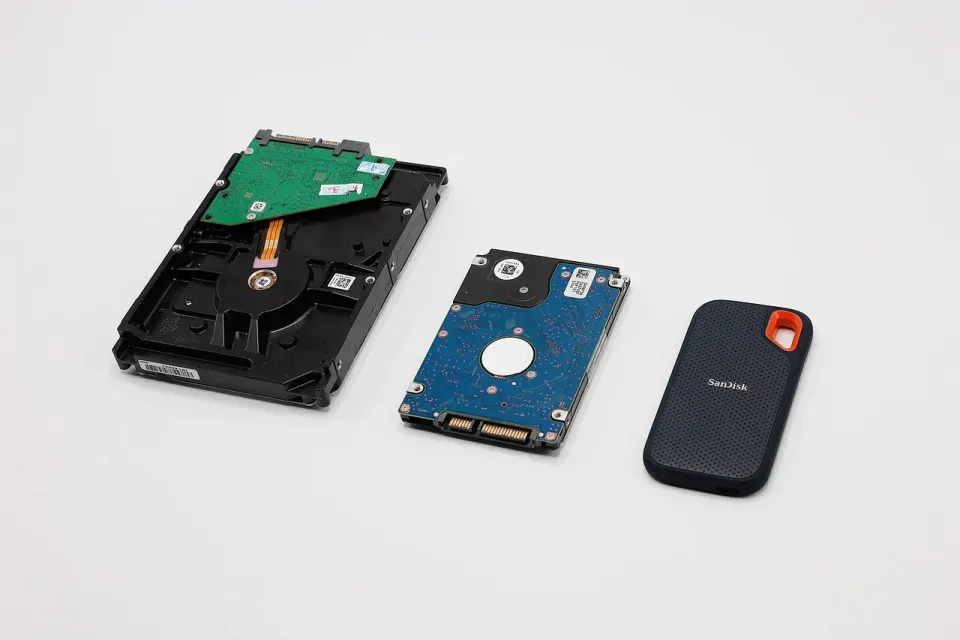
Export first, cancel second. Harvest lets you download time entries, projects and invoices as files, and you should save them before the renewal date so a canceled account does not lock you out of your own history.
Keep the records for tax purposes. The Internal Revenue Service (IRS) says in its recordkeeping guidance that you should keep records as long as they are needed to prove income or deductions on a return. Invoices and time records support both.
Store the export in two places. A cloud folder and an offline drive are enough. The National Institute of Standards and Technology (NIST) runs a small business cybersecurity hub with guides on securing data and devices, which is a useful checklist for where exports should live.
File formats matter when you move. Our walkthrough on moving off Microsoft Publisher and saving your files shows how to convert files into formats that outlast any one vendor. The same thinking applies to a time-tracking export: choose CSV and PDF over anything proprietary.
Conclusion
The Harvest price increase 2026 punishes teams that renew without checking. Count your usage, get quotes for both billing options in writing, and negotiate before you commit. If the number is still more than double, run a short trial of a flat-rate tool and move.
Your next step is to find your renewal date today and put a reminder on the calendar 45 days before it. That gives you room to compare, negotiate and export without a deadline forcing your hand. Little iApps will keep tracking how vendors price usage so you can compare before you sign.
Why did Harvest bills go up so much in 2026?
Is Harvest Flex or Unlimited cheaper for a small team?
Can you negotiate a Harvest renewal price?
How do you export data from Harvest before switching?
Keep reading
More from the Pricing desk
-
 Pricing
Power Apps Premium Price Increase 2027: How to Check Your Licenses and Budget for It
Microsoft is raising Power Apps Premium by $2 per user per month on January 1, 2027. Here is how to find out whether you pay for it, who is affected and what to do before renewal.
-
 Pricing
How to Negotiate a Software Renewal Price Increase in 2026
Seventy-nine percent of IT leaders saw a price increase at renewal last year. Here is a timeline, a script and a list of terms a small business can ask for.
-
 Pricing
QuickBooks Desktop Price Increase 2026: What Renewals Cost
Intuit is raising QuickBooks Desktop renewal prices again on October 1. Here is what changes, what the second increase may cost your firm and how to decide at renewal.
Join the readership
Liked this? Let's connect.




We respect your privacy. One considered email each Thursday.