LTL Freight Quote Platforms vs. Calling Carriers: Which Saves a Small Shipper More?
For a business shipping a few pallets a week, the choice between an online quote platform and a phone list of carriers comes down to time, price visibility and who handles problems.

For most small businesses shipping one to six pallets at a time, an LTL freight quote platform saves more than calling carriers. You see several prices at once, book in minutes and get one bill. Calling carriers directly can win once your volume is steady enough to negotiate your own rates.
Less-than-truckload (LTL) freight is the awkward middle of shipping. It is too big for a courier and too small for a full truck. Most small manufacturers, wholesalers and online sellers handle it the same way: a list of carrier phone numbers and a lot of waiting for callbacks. This comparison is for owners and operations managers deciding whether an online freight quote platform is worth switching to, and what to check before they do. At Little iApps, we help owners work out which tool is worth paying for.
How Much Freight Moves by Truck
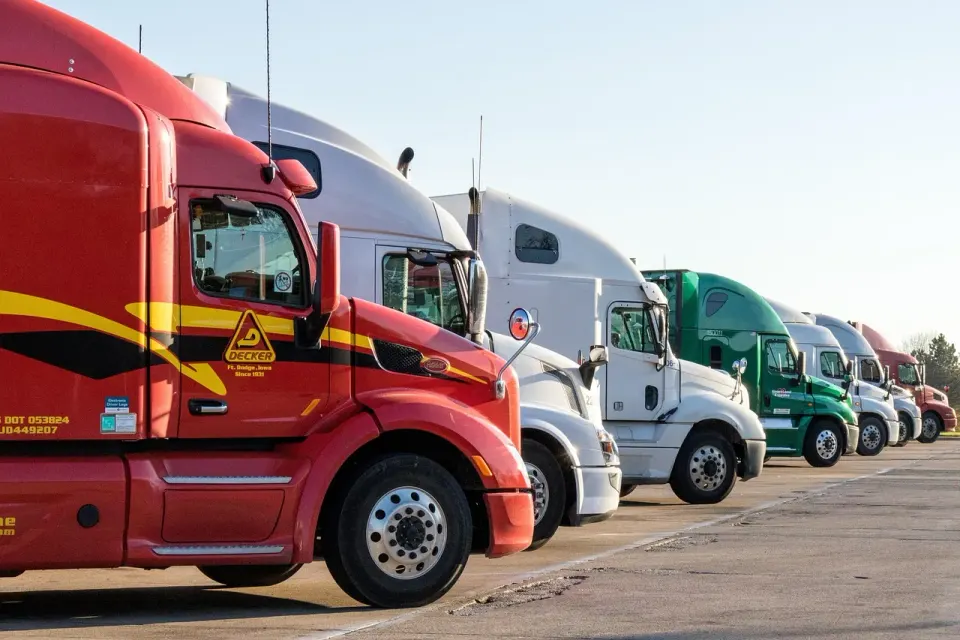
Trucks carry most of North America’s freight, so the choice of how you book them matters. The U.S. Census Bureau’s 2022 Commodity Flow Survey found that trucks hauled 8.3 billion tons of goods, or 68.1% of all tonnage shipped. That freight was worth $13.2 trillion, or 73.5% of the total value.

The same Census Bureau survey found that trucks carried 49.6% of the tonnage shipped to Canada. For a small business shipping across the border, that means a truck is almost always part of the trip, even when another mode is involved.
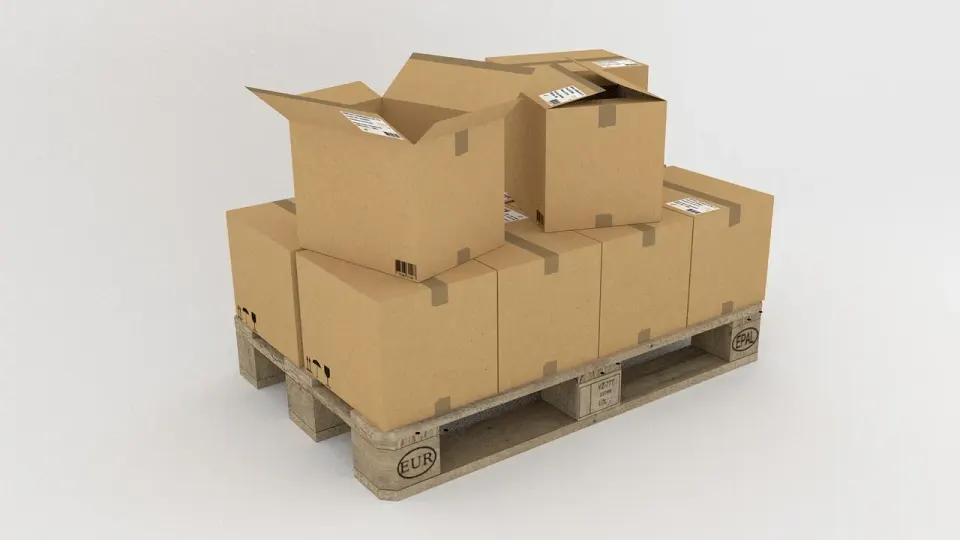
Within that, LTL is the segment small businesses use most. A pallet or two of product rides with freight from other shippers, and the carrier moves it through terminals before final delivery. It is cheaper than a dedicated truck, but pricing is harder to read.
Calling Carriers Directly: Pros and Cons
Calling carriers is how most small shippers start. You build a list of three to five LTL carriers that serve your lanes, call or email for quotes and book the best one. The appeal is control. You know your contacts, and a good dispatcher can solve problems quickly.
The cost is time. Buyers booking freight often spend 20 to 40 minutes per shipment collecting quotes, more if a carrier is slow to reply. At 10 shipments a week, that is most of a working day spent on the phone.

Price visibility is the other weakness. Without regular volume, a small shipper usually gets a carrier’s standard tariff with a modest discount. You also only see the prices of the carriers you happen to call. If a better option exists on your lane, you will not know about it. Searching for office space has the same problem: see finding retail or office space online.
Direct relationships do make sense at a certain size. If you ship the same lanes every week, a carrier may offer a contract rate you cannot get through a platform. The test is whether your volume is predictable enough for a carrier to price around it.
Online Freight Quote Platforms: Pros and Cons
An online freight quote platform lets you enter a shipment once and see prices from several carriers. You pick one, book it and track it in the same place. Most platforms bill you on one statement rather than a separate invoice per carrier, which simplifies the accounting side.
The main advantage for a small shipper is pooled pricing. A platform negotiates rates using the combined volume of all its customers. That can give a business shipping a few pallets a week access to prices normally reserved for larger shippers.
Platforms built for a specific region can be especially useful. TruxwebSponsored, for example, focuses on LTL freight for small and medium businesses in Quebec and Ontario. Shippers compare quotes from vetted carriers and book in a few clicks, for shipments across Canada and into the United States. It says it charges no brokering fees and bills shippers on a single statement.
The trade-off is distance from the carrier. When a shipment is delayed or damaged, you usually go through the platform first. Ask how claims are handled, who your contact is and how quickly they respond before your first booking, not after your first problem.
Check how carriers are vetted, too. In Quebec, the Commission des transports du Québec (CTQ) keeps a list of transport intermediaries, such as freight brokers and forwarders. According to the CTQ’s page on transport intermediaries, only intermediaries on that list may operate in Quebec, and a contract with an unlisted one can be declared void.
Side-by-Side Comparison
The table below compares both approaches for a business shipping roughly 5 to 20 LTL shipments a month.
| Factor | Calling carriers directly | Online quote platform |
|---|---|---|
| Time per shipment | 20 to 40 minutes collecting quotes | A few minutes per booking |
| Price visibility | Only the carriers you call | Several carriers in one search |
| Pricing power | Your own volume only | Pooled volume across customers |
| Billing | One invoice per carrier | Usually one consolidated statement |
| Problem handling | Direct with the carrier | Through the platform first |
| Best for | Steady, high-volume lanes | Variable or growing volume |
Does Freight Class Still Matter in 2026?
Yes, and more than before. Freight class decides much of what you pay for LTL. On July 19, 2025, the National Motor Freight Classification moved many commodities from class by product type to class by density, measured in pounds per cubic foot. The scale also grew from 11 density tiers to 13.
That change hits light, bulky freight hardest. A pallet of foam products or lamps that used to ride at a modest class can now fall into a higher, more expensive one. Whichever way you book, measure each pallet’s length, width and height, and weigh it. Wrong dimensions are the most common cause of reclass and inspection charges on small shippers’ invoices.
Here is a quick example. A 48-by-40-inch pallet stacked 60 inches high measures about 66.7 cubic feet. At 400 pounds, its density is roughly 6 pounds per cubic foot. At 800 pounds, it is about 12, which usually means a lower class and a lower rate.
A good quote platform asks for dimensions and calculates density for you. When calling carriers, do the math yourself before you call. Divide the total weight by the cubic feet of the pallet, including the pallet itself.
Extra Charges That Change the Final Bill
The quote is rarely the final price in LTL freight. Carriers add accessorial charges for anything beyond a standard dock-to-dock move. These are where small shippers lose the most money, whichever way they book.
The list below covers the accessorial charges that show up most often on small shippers’ invoices.
- Liftgate service, when the pickup or delivery site has no loading dock.
- Residential delivery, even for a home-based business.
- Inside delivery, when freight must go past the front door.
- Delivery appointments or call-ahead notice.
- Reclassification and reweigh fees after an inspection.
Each one is avoidable or at least predictable. Declare them when you request the quote, not after the truck arrives. A platform usually has a checkbox for each, which makes them harder to forget. On the phone, ask every carrier for the same list so you are comparing like with like.
A missed liftgate charge alone can add $75 to $150 to a shipment that was quoted at $300. On a tight margin, that is the difference between a profitable order and a loss.
Shipping Across the Canada-US Border
Cross-border freight adds customs paperwork no matter how you book. U.S. Customs and Border Protection (CBP) says importers often hire a customs broker, though they may make entry on their own. Brokers are licensed by CBP but are not CBP employees.
For a small business, a customs broker is usually worth it. Ask whether the carrier or platform you use works with one, and who pays the brokerage fee. Missing commercial invoices and unclear product descriptions are the usual reasons a shipment sits at the border.
How to Decide
Run a simple test before you commit. For one month, quote every shipment both ways using identical weights, dimensions and pickup dates. Track the price, the time it took to book and any extra charges on the final invoice.
The steps below set up that test properly.
- Measure and weigh each shipment, including the pallet.
- Get quotes from your usual carriers by phone or email.
- Run the same shipment through one quote platform.
- Book the cheaper option and note any extra charges later.
- Compare total cost and staff time after four weeks.
The Verdict
For a small business with variable LTL volume, an online freight quote platform usually wins on time, price visibility and billing. Calling carriers directly wins once your lanes are steady enough to earn contract rates. Little iApps favors the full-cost view. Either way, accurate freight class data matters more than ever after the 2025 density changes.
We use the same side-by-side method in our comparison of free and paid SEO tools, and the same full-cost approach in our breakdown of health spending account costs. Price the whole job, not the headline rate.
What is LTL freight shipping?
Are online freight quote platforms cheaper than calling carriers?
Why did my LTL freight class change in 2025?
Do I need a customs broker to ship freight between Canada and the US?
Keep reading
More from the Reviews desk
-
 Reviews
Google Search Console vs. Paid SEO Tools: What a Small Team Needs
Free tools cover more of the basics than most vendors admit. Here is where they stop, and how to tell whether you need a paid suite or outside help.
-
 Reviews
How to Find Retail or Office Space Online: Listing Sites, Brokers and Marketplaces Compared
Small businesses now have three main ways to search for commercial space. Each one trades off cost, reach and how much legwork falls on you.
-
 Reviews
What to Test in a Free Trial Before You Pay
Most trials are wasted clicking around. A short plan, built from the jobs the tool must do for you, tells you in a week whether it deserves a place in the business.
Join the readership
Liked this? Let's connect.



We respect your privacy. One considered email each Thursday.